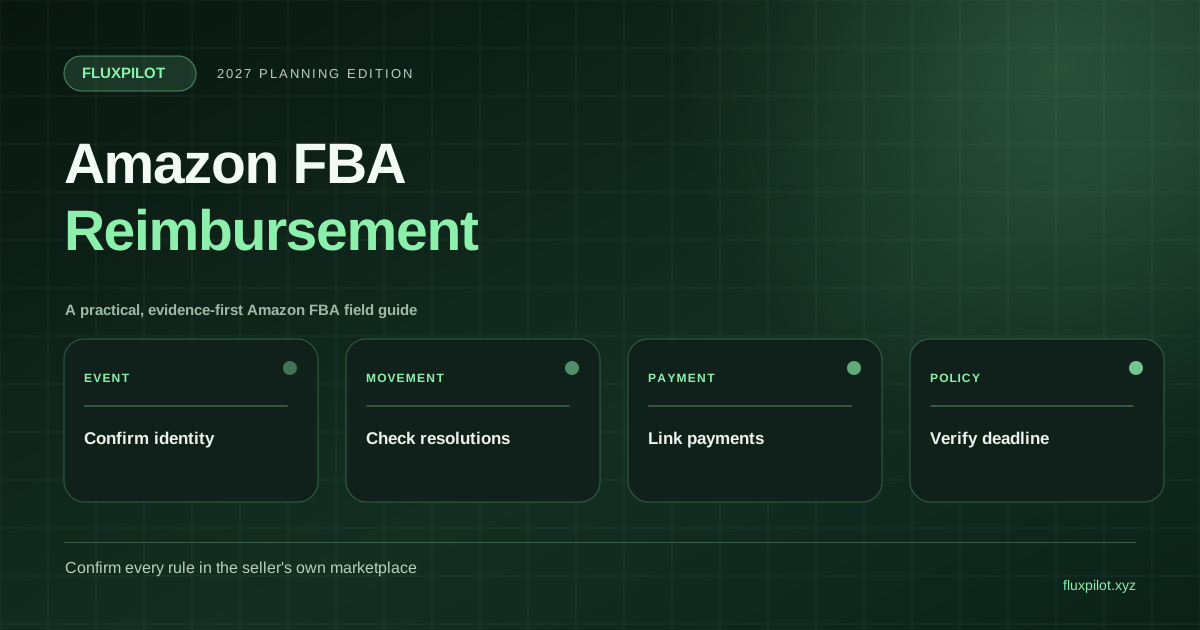
Answers to the Amazon FBA problems sellers keep searching for.
Practical, policy-aware guides built around recurring seller questions: lost inventory, unreconciled quantity, reimbursement deadlines, sourcing cost, and inventory reconciliation.
Try a single event
Free FBA reimbursement value calculator
Check a cost comparison before moving to a report-based audit. No account needed.
Planning for 2027 starts with the rules Amazon has actually published—not predictions. Build an inventory, payment and evidence workflow that can adapt to policy changes.
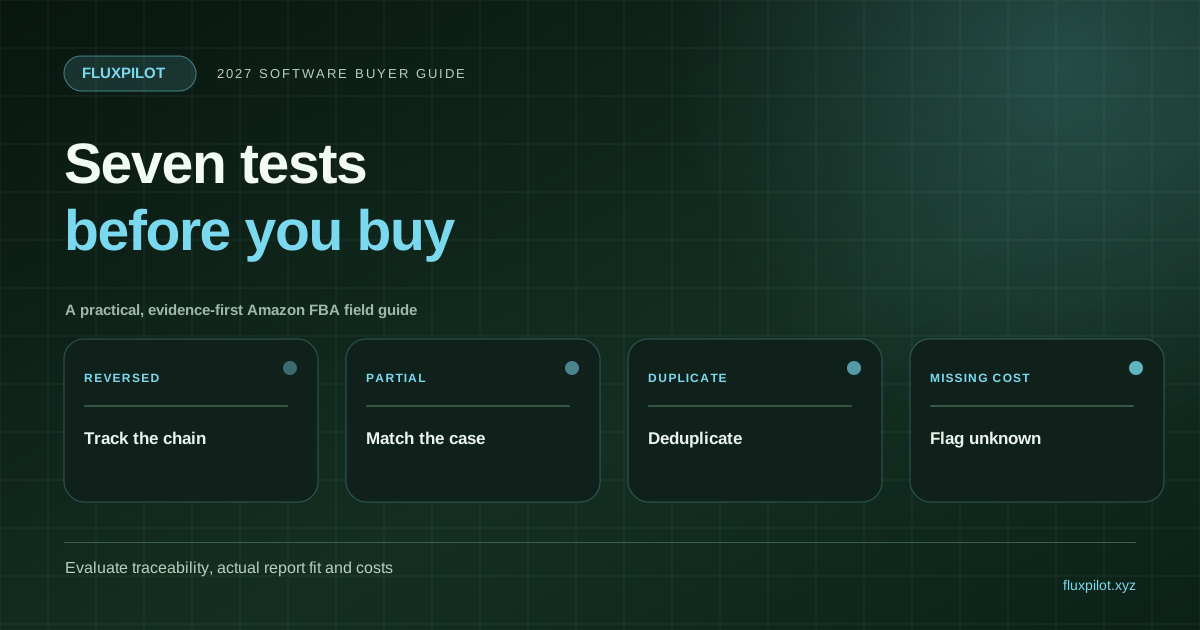
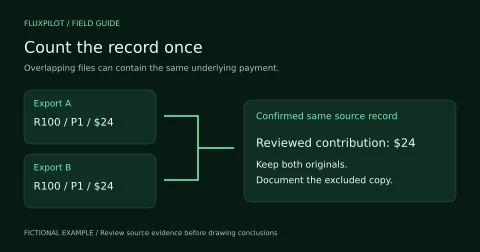
Before paying for reimbursement software, test whether it correctly handles duplicate exports, partial payouts, found inventory and missing costs—not just whether its dashboard shows a large number.
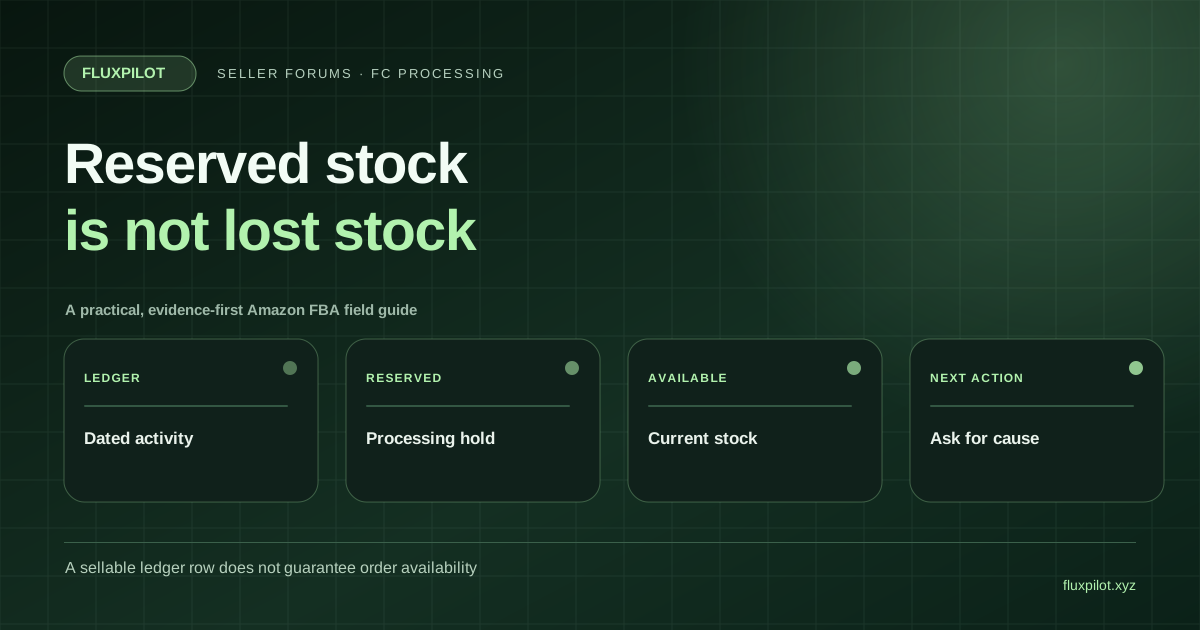
A reserved unit is not automatically lost. Compare Reserved, Available and Inventory Ledger data, identify the hold and request a specific Amazon investigation instead of assuming reimbursement.
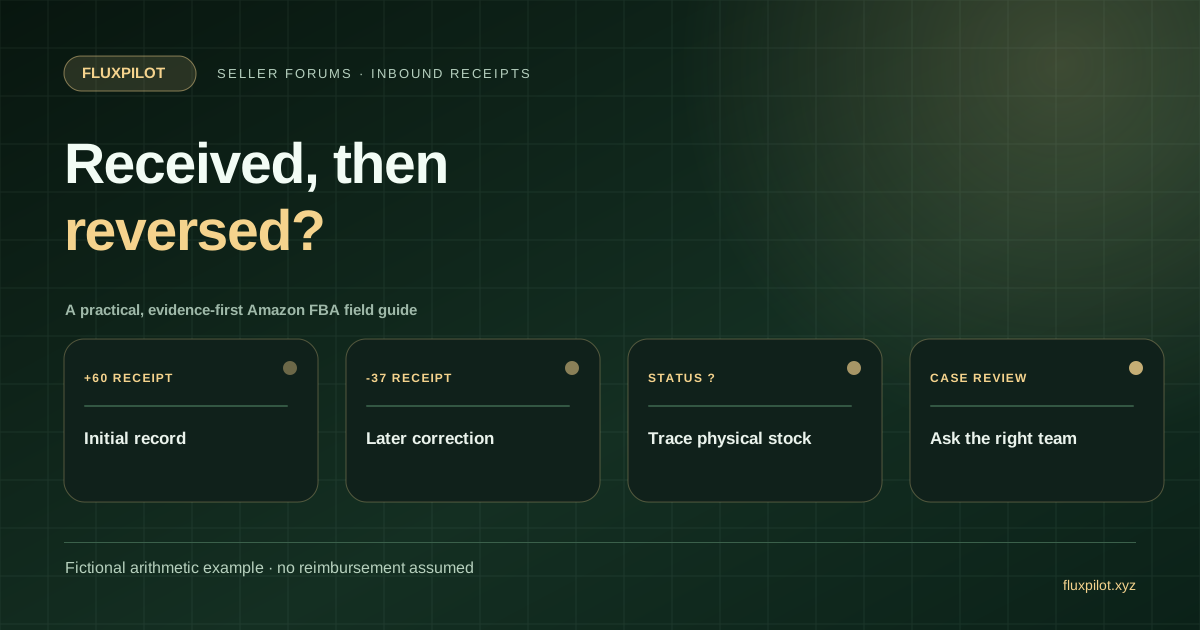
If Amazon first confirmed your inbound units and later posted negative Receipt rows, preserve both events and ask for physical reconciliation before assuming a reimbursement claim is the right solution.
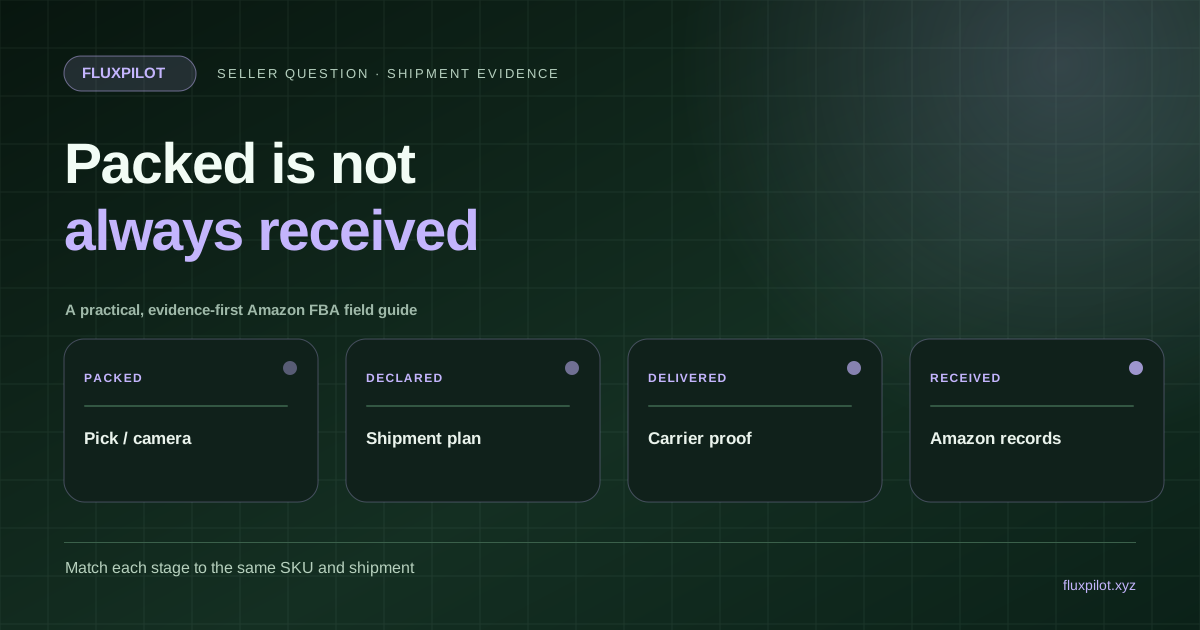
Packing video or proof of delivery can support your timeline, but it may not establish what Amazon actually received for a specific FNSKU. Start with the shipped-versus-declared-versus-received chain.
After a denied claim, first identify what Amazon actually decided: missing proof, the wrong category, an earlier reimbursement, a cost issue or a claim deadline. Then ask one answerable question.
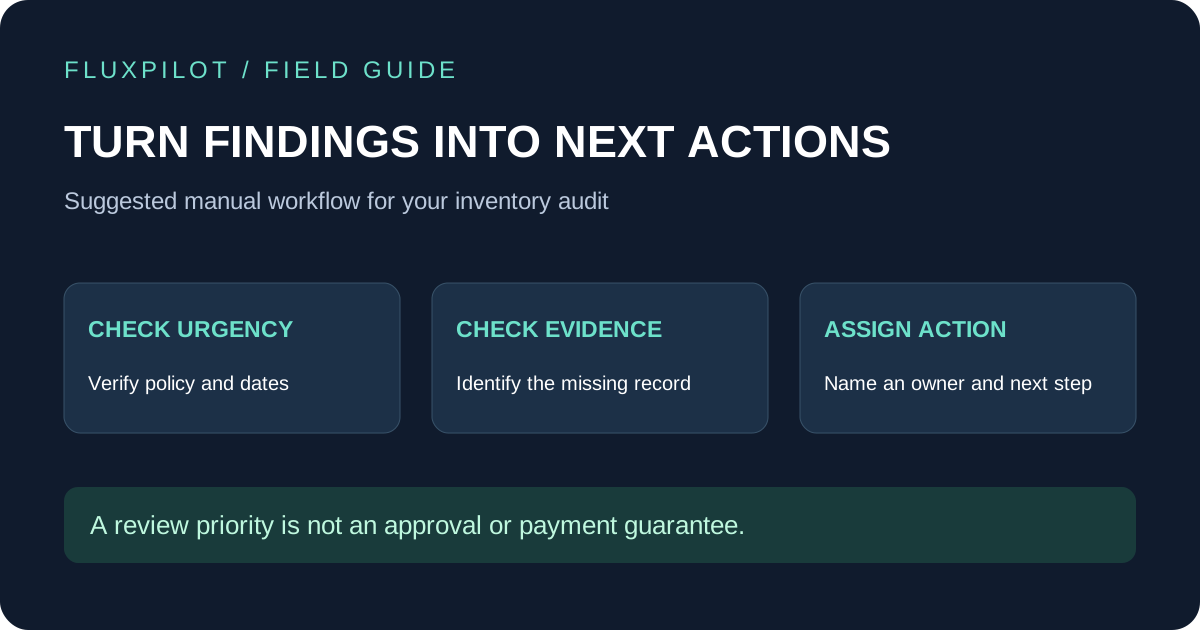
A large estimate is not always the next case to work on. Sort your audit by urgency, evidence readiness and the action that will move each review forward.
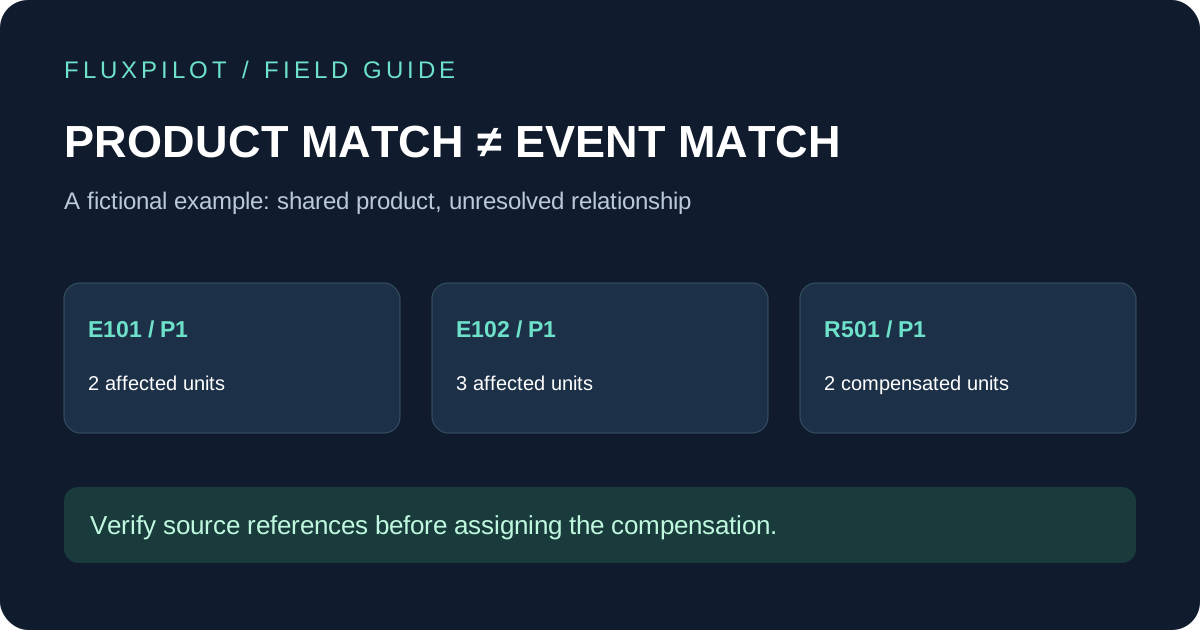
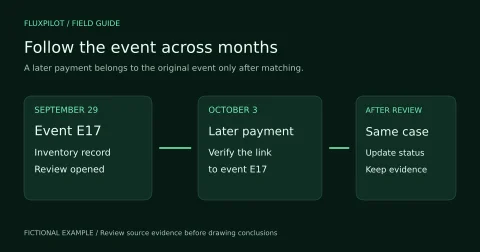
A negative payment changes your audit. Trace the original reimbursement and later inventory evidence before treating it as a new missing-inventory claim.
FluxPilot turns raw Amazon FBA inventory data into a practical review queue showing the product, affected units, estimated loss, matched reimbursements, and what to check next.
A misplaced adjustment with no matching reimbursement is a much more specific problem than a generic FBA audit. Here is the event-by-event check sellers can run before the claim window closes.
Sellers often see Unreconciled Quantity = 1 and assume Amazon owes money. That field is useful, but only after you check the event type, reason, reference ID, and later reconciliation.
Not every FBA reimbursement case has the same deadline. Use this category-by-category 2026 guide to find the event date, gather evidence and avoid outdated advice.
A low reimbursement is often a sourcing-cost problem, not a selling-price problem. The useful audit is to compare Amazon’s value with your documented source cost and the exact reimbursement transaction.
A Found event does not always mean the unit is immediately sellable again. Rebuild the FNSKU timeline before assuming Amazon still owes a reimbursement.
A denied claim is not automatically proof that the discrepancy is invalid. First verify the exact event and eliminate the most common reasons a seller case is rejected.